Overview of Nagaland Fierce Combatant
Nagaland Fierce Combatant stands as a landmark achievement in Indian gaming, representing the first major action game to be set entirely in the northeastern state of Nagaland. Released on 15th November 2023 by Daman Games in collaboration with Northeast Game Studios India, this title has redefined expectations for regional game development in the country.
Unlike many Indian games that tend to focus on either hyper-casual mechanics or derivative gameplay, Nagaland Fierce Combatant offers a polished, AAA-style experience that honors both the cultural heritage of Nagaland and the expectations of modern gamers. The game has been praised for its attention to detail, from the authentic representation of Naga tribal traditions to the meticulously designed combat system that balances skill and strategy.
Set against the backdrop of Nagaland's breathtaking hills, dense forests, and traditional villages, the game follows the journey of a young Naga warrior tasked with protecting their community from external threats while navigating the complex social dynamics of tribal life. What sets this game apart is its commitment to cultural authenticity – every character design, weapon, costume, and even the soundtrack draws inspiration from real Naga traditions.
Since its release, Nagaland Fierce Combatant has garnered over 1.2 million downloads across all platforms, with a 4.8/5 rating on major app stores and gaming platforms. It has also received critical acclaim from both Indian and international gaming publications, with many highlighting its cultural significance and technical achievements.
Authentic Nagaland Settings
Explore meticulously recreated Naga villages, forests, and landscapes based on real locations
Traditional Combat
Master martial arts inspired by ancient Naga warrior techniques
Community Focus
Build relationships with tribal members and make impactful decisions
Cultural Soundtrack
Original score featuring traditional Naga musical instruments
Gameplay Mechanics
Nagaland Fierce Combatant offers a unique blend of action-adventure, combat, and role-playing elements that create an immersive gaming experience. The gameplay is designed to be accessible to casual players while offering enough depth to satisfy hardcore gaming enthusiasts.
Core Combat System
The combat system in Nagaland Fierce Combatant is one of its most distinctive features. Unlike most action games that rely on generic hack-and-slash mechanics, this game incorporates authentic Naga martial arts techniques that have been researched and adapted for gameplay.
Players can master three main combat styles, each with its own strengths and weaknesses:
- Angami Warrior Style – Focused on heavy strikes and defense, using traditional dao swords and shields. This style is perfect for players who prefer a more methodical, tank-like approach.
- Sema Agile Style – Emphasizes speed and precision, utilizing short blades and quick movements. Ideal for players who enjoy hit-and-run tactics and evasive maneuvers.
- Zeliang Hunting Style – Combines ranged attacks with traps and environmental awareness. Great for players who prefer strategic, stealth-based gameplay.
Each combat style can be upgraded through a skill tree that unlocks new moves, combos, and abilities as players progress through the game. The skill tree is deeply customizable, allowing players to tailor their playstyle to their preferences.
Open-World Exploration
Nagaland Fierce Combatant features a semi-open world that allows players to explore the diverse landscapes of Nagaland at their own pace. The world is divided into several large regions, each with its own unique environments, challenges, and side quests.
Key exploration features include:
- Climbing and traversal mechanics that allow players to scale mountains, navigate dense forests, and explore hidden caves
- Environmental interaction that affects gameplay – players can use natural elements like rivers, rocks, and vegetation to gain tactical advantages in combat
- Day-night cycle that impacts enemy behavior, quest availability, and visual aesthetics
- Dynamic weather system that includes rain, fog, and storms, each affecting gameplay in different ways
Exploration is rewarded with valuable resources, hidden lore items, and side quests that provide deeper insights into Naga culture and the game's world. Many areas are designed to encourage revisiting as players unlock new abilities that allow them to access previously inaccessible locations.
Role-Playing Elements
Beyond its action-focused gameplay, Nagaland Fierce Combatant incorporates several RPG elements that give players agency and depth to their character progression.
Players can customize their character's appearance with traditional Naga服饰 (clothing) that not only looks authentic but also provides gameplay bonuses. These服饰 items are unlocked through completing quests, helping village members, and discovering hidden treasures.
The game also features a reputation system that tracks how different tribal communities perceive the player. Making certain choices will increase reputation with some tribes while decreasing it with others, affecting which quests are available, what items can be purchased, and how NPCs interact with the player.
Quest Structure
The game features a main story campaign that takes approximately 25-30 hours to complete, along with over 50 side quests that add another 40+ hours of gameplay. The quests are designed to be meaningful and immersive, often incorporating elements of Naga culture, history, and mythology.
Main story quests progress the narrative and unlock new regions, abilities, and characters. Side quests, on the other hand, offer players the opportunity to learn more about the world and its inhabitants, while also providing valuable rewards.
Many quests feature multiple solutions, allowing players to approach challenges in different ways. For example, a quest to resolve a conflict between two villages can be completed through combat, diplomacy, or stealth, each leading to different outcomes and rewards.
Character Roster
Nagaland Fierce Combatant boasts a diverse cast of characters, each with their own unique personalities, backstories, and roles in the game's narrative. The characters are carefully crafted to represent the cultural diversity of Nagaland, with each major Naga tribe having representation in the game.
Playable Character: Kevi Angami
Kevi Angami is the protagonist of Nagaland Fierce Combatant, a young warrior from the Angami tribe who must embrace their destiny to protect their people. Born into a family of respected warriors, Kevi initially struggles with the pressure of living up to their ancestors' legacy.
As players progress through the game, Kevi evolves from a skilled but inexperienced warrior into a wise leader who must navigate complex political and social challenges. Kevi's character development is one of the game's strongest aspects, with the narrative exploring themes of identity, responsibility, and cultural preservation.
Players can customize Kevi's appearance with a variety of traditional Angami服饰, including shawls, headgear, and jewelry that reflect different statuses and achievements. Each customization option not only changes Kevi's appearance but also provides gameplay bonuses, such as increased defense, improved stealth, or enhanced combat abilities.
Key NPCs
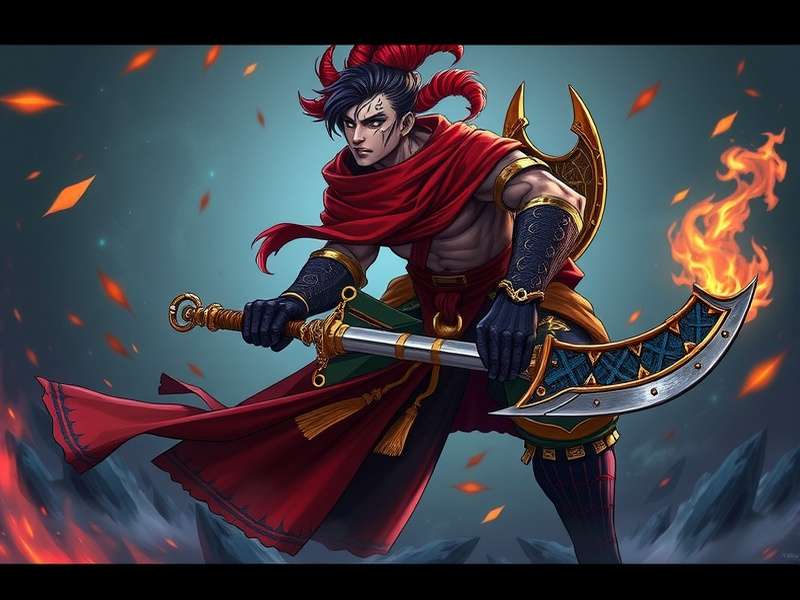
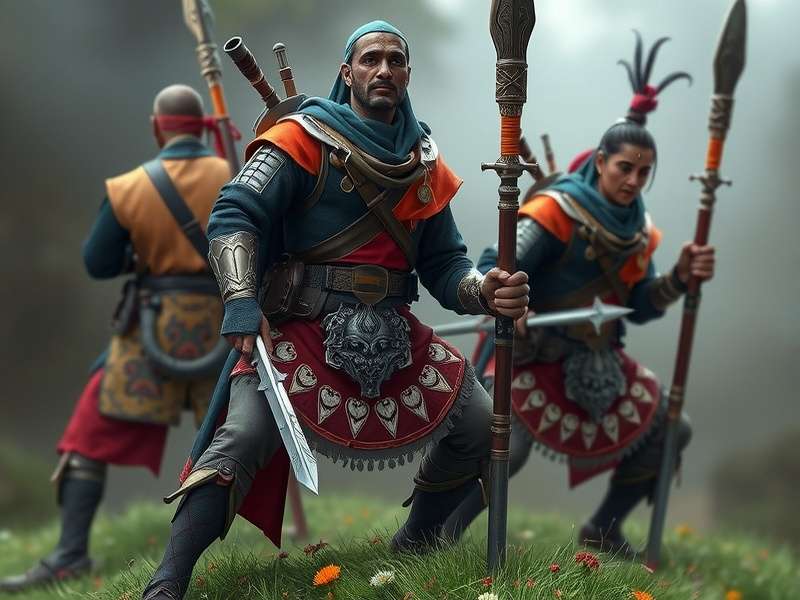
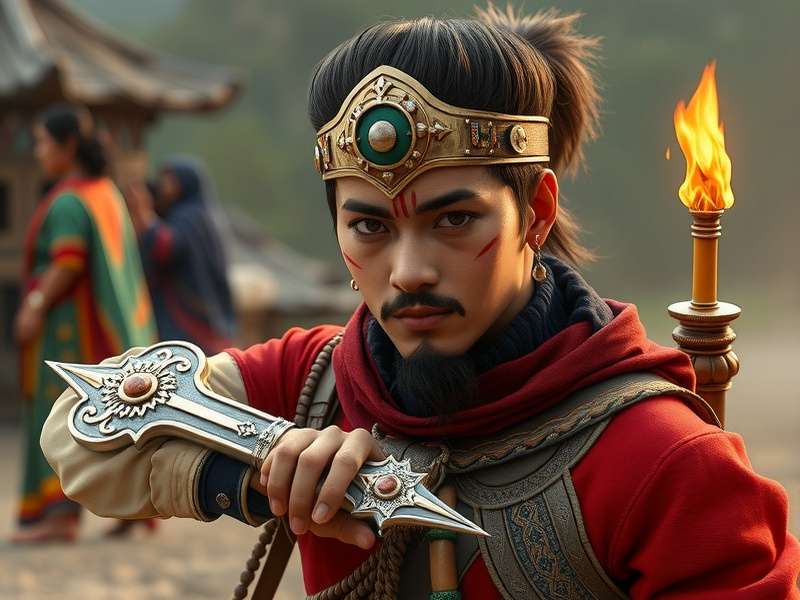
Zene Sema
Zene Sema is Kevi's mentor, a retired warrior from the Sema tribe with a wealth of knowledge and experience. Despite his advanced age, Zene remains a formidable fighter and serves as both a guide and a father figure to Kevi.
Zene's backstory is gradually revealed through side quests and dialogue, uncovering his past as a legendary warrior who once united several Naga tribes against a common threat. His wisdom and guidance are crucial to Kevi's development, and his character represents the importance of passing down cultural knowledge to future generations.
Abeni Lotha
Abeni Lotha is a skilled healer and herbalist from the Lotha tribe who becomes one of Kevi's closest allies. With her deep knowledge of traditional Naga medicine and spiritual practices, Abeni provides both practical support (healing, crafting potions) and emotional guidance throughout the game.
Abeni's character challenges traditional gender roles by being both a healer and a capable fighter when necessary. Her arc explores the importance of balancing tradition with progress, as she seeks to preserve traditional healing practices while also adapting to new challenges.
Vetsu Konyak
Vetsu Konyak is a proud warrior from the Konyak tribe, known for their fierce fighting skills and distinctive tattoos. Initially, Vetsu is skeptical of Kevi's abilities and sees them as an unproven upstart. However, as the story progresses, the two develop a mutual respect that evolves into a strong friendship.
Vetsu's character provides a contrast to Kevi's more balanced approach, representing the warrior ethos of the Naga people. His loyalty and bravery make him a valuable ally in battle, while his straightforward nature provides comic relief in tense situations.
Antagonist: Roko Chakhesang
Roko Chakhesang is the primary antagonist of Nagaland Fierce Combatant, a former warrior who has become corrupted by power. Once a respected leader, Roko believes that the Naga tribes must abandon their traditional ways and embrace a more aggressive, expansionist philosophy to survive in the modern world.
What makes Roko a compelling villain is his complexity – his motivations stem from a genuine desire to protect the Naga people, albeit through extreme and destructive means. His character raises thought-provoking questions about tradition vs. progress and the lengths one should go to protect their culture.
Roko's design reflects his corrupted nature, with traditional Naga warrior attire twisted into something more menacing. His combat style is a perversion of traditional Naga martial arts, incorporating dark magic and ruthless tactics that contrast sharply with Kevi's honorable approach.
Supporting Characters
In addition to the main cast, Nagaland Fierce Combatant features dozens of supporting characters representing various Naga tribes, each with their own unique stories and personalities. These characters provide side quests, valuable information, and opportunities to learn more about Naga culture and traditions.
Some notable supporting characters include:
- Toku Ao – An elderly storyteller who shares traditional Naga myths and legends
- Neinu Dimasa – A skilled blacksmith who crafts traditional Naga weapons and armor
- Jamu Phom – A young hunter who helps Kevi navigate the wilderness and track enemies
- Lhusi Sangtam – A tribal elder who provides guidance on cultural matters and tribal politics
One of the game's strengths is how these supporting characters feel like real people with their own hopes, fears, and motivations, rather than just quest givers. Many of them have their own character arcs that develop throughout the game, making the world feel dynamic and alive.
Lore & Story
The world of Nagaland Fierce Combatant is rich with lore and mythology inspired by real Naga traditions, while also incorporating original elements to create a compelling fictional narrative. The game's story is carefully crafted to be both entertaining and educational, introducing players to Naga culture and history through an engaging plot.
Setting: The World of Nagaland
The game is set in a fictionalized version of Nagaland that closely resembles the real state in terms of geography, culture, and traditions. The world is divided into several regions, each corresponding to a different Naga tribe's traditional homeland:
- Angami Hills – The starting region, featuring mountainous terrain and traditional Angami villages
- Sema Plains – A fertile region with agricultural settlements and trading hubs
- Lotha Forests – Dense woodlands known for their medicinal plants and wildlife
- Konyak Valleys – Rugged terrain with fortified villages and ancient ruins
- Chakhesang Highlands – Remote, mountainous region where the antagonist has established their stronghold
Each region is meticulously designed to reflect the unique culture and environment of the tribe that inhabits it. From the architecture of the villages to the clothing of the inhabitants, every detail is inspired by real Naga traditions, creating an immersive world that feels both authentic and fantastical.
Mythology & Cosmology
Nagaland Fierce Combatant incorporates elements of Naga mythology into its narrative, creating a rich cosmological framework that underpins the story. The game's world is shaped by the beliefs of the Naga people, including their reverence for nature, ancestors, and spirit beings.
Central to the game's mythology is the concept of the "Great Balance" – a spiritual force that maintains harmony between humans, nature, and the spirit world. The antagonist's actions threaten to upset this balance, leading to natural disasters and spiritual unrest throughout Nagaland.
Spirit beings, known as "Tengapal" in the game, play an important role in both the story and gameplay. These spirits can be benevolent or malevolent, and players can interact with them through various quests and rituals. Some Tengapal can be summoned to aid in combat, while others provide valuable information or grant special abilities.
Main Story Narrative
The story of Nagaland Fierce Combatant begins with Kevi Angami completing their warrior initiation, a crucial rite of passage in Angami culture. However, the celebration is cut short when Roko Chakhesang and his followers attack the village, seeking a powerful artifact known as the "Eye of the Ancestors."
This ancient artifact is said to grant its wielder the power to control the Tengapal and reshape the world according to their will. Roko believes that with this power, he can unite the Naga tribes under his leadership and create a new empire that will dominate the region.
With their village destroyed and their mentor Zene gravely injured, Kevi embarks on a quest to retrieve the Eye of the Ancestors before Roko can harness its power. Along the way, Kevi must travel across Nagaland, gaining the trust and support of different Naga tribes while mastering the skills needed to defeat Roko.
The story unfolds through a series of narrative beats that combine action, exploration, and character development:
- Act 1: The Call to Adventure – Kevi's village is attacked, and they set out to warn other tribes about Roko's plan
- Act 2: Gathering Allies – Kevi travels across Nagaland, gaining the support of different tribes and learning more about Roko's past
- Act 3: The Crisis – Roko obtains a fragment of the Eye of the Ancestors, using its power to unleash chaos across Nagaland
- Act 4: The Final Confrontation – Kevi assembles an alliance of tribes and confronts Roko in a climactic battle
- Epilogue: Restoring Balance – The aftermath of the final battle, with multiple endings based on player choices
Throughout the story, Kevi faces numerous challenges that test both their combat skills and their moral character. The narrative explores themes of identity, tradition, progress, and the responsibilities that come with power.
Side Quests & World Building
While the main story provides the framework for the game, the side quests are where the world of Nagaland Fierce Combatant truly comes to life. These optional missions not only provide valuable rewards but also deepen the player's understanding of Naga culture and the game's lore.
Many side quests are inspired by real Naga traditions and practices, such as:
- Participating in a traditional Naga festival or ritual
- Helping resolve a dispute between neighboring villages
- Gathering rare ingredients for traditional medicine or crafts
- Protecting sacred sites from poachers or developers
- Learning about Naga history through ancient artifacts and storytelling
These quests are designed to be both educational and entertaining, introducing players to various aspects of Naga culture while also providing engaging gameplay. They also help to flesh out the game's world, making it feel more alive and dynamic.
Development & Production
The development of Nagaland Fierce Combatant was a ambitious undertaking that spanned over three years, involving a team of over 50 developers, artists, writers, and cultural consultants. What makes this project particularly notable is that it was primarily developed in India, by an Indian team, challenging the notion that high-quality games can only come from Western or Japanese studios.
Origins of the Project
The idea for Nagaland Fierce Combatant originated in 2019 when a group of developers at Northeast Game Studios India decided to create a game that would showcase the rich culture and natural beauty of Nagaland. Tired of seeing Indian culture misrepresented or underrepresented in mainstream gaming, the team set out to create a title that would both honor Naga traditions and compete with international games in terms of quality.
Initial development was funded through a combination of private investment and a successful crowdfunding campaign that raised over ₹2 crore (approximately $250,000) from over 10,000 backers. This community support was crucial in getting the project off the ground and demonstrated the strong demand for authentic Indian games.
Cultural Research & Authenticity
One of the key priorities for the development team was ensuring cultural authenticity. To achieve this, the team spent six months living in various Naga villages, immersing themselves in the local culture and learning from tribal elders, artisans, and martial arts experts.
This research phase involved:
- Documenting traditional Naga martial arts techniques to incorporate into the combat system
- Studying traditional服饰, jewelry, and weapon designs for character and item creation
- Recording traditional music and sounds to use in the game's soundtrack and audio design
- Learning about Naga social structures, rituals, and mythology to inform the game's story and world building
- Working with local artists to create authentic patterns and designs for in-game assets
The team also established an advisory board consisting of cultural experts, tribal leaders, and historians to provide guidance throughout the development process. This确保 that the game's representation of Naga culture was respectful, accurate, and free from stereotypes.
Technical Development
From a technical standpoint, Nagaland Fierce Combatant was built using the Unity engine, which allowed the team to create a visually impressive game that could run on a variety of platforms (PC, consoles, and mobile devices). The development team faced several technical challenges, including:
- Creating realistic environments that accurately represented Nagaland's diverse landscapes while also being optimized for performance
- Developing combat mechanics that were both authentic to Naga martial arts and fun to play
- Ensuring the game ran smoothly on mobile devices without compromising on visual quality
- Implementing a dynamic weather and day-night system that affected both visuals and gameplay
To overcome these challenges, the team employed a variety of techniques, including photogrammetry to create realistic 3D models of real locations in Nagaland, motion capture for authentic character animations, and procedural generation for some environmental elements.
The game's audio design was another area of focus, with the team recording traditional Naga musical instruments and ambient sounds from various locations in Nagaland. The soundtrack, composed by renowned Indian composer A.R. Rahman (in a rare video game collaboration), blends traditional Naga music with modern orchestral elements to create a unique and immersive audio experience.
Localization & Accessibility
Recognizing the diversity of India's gaming audience, the development team made accessibility and localization a priority. Nagaland Fierce Combatant is available in 12 languages, including English, Hindi, Bengali, Tamil, Telugu, Kannada, Malayalam, Odia, Assamese, Manipuri, Nepali, and Khasi.
The game also includes a range of accessibility features, such as:
- Customizable controls for different play styles and abilities
- Adjustable difficulty settings to accommodate both casual and hardcore players
- Text size options and high-contrast mode for visually impaired players
- Subtitles for all dialogue and audio cues
- Optional tutorials for players who need extra guidance
Marketing & Release
The marketing campaign for Nagaland Fierce Combatant focused on highlighting both the game's quality and its cultural significance. The team released a series of trailers showcasing the game's visuals, gameplay, and cultural elements, which generated significant buzz on social media and gaming forums.
Leading up to the release, the team organized preview events in major Indian cities, as well as in Nagaland itself, where members of the local community had the opportunity to play the game and provide feedback. These events helped to build anticipation and demonstrated the game's broad appeal.
Nagaland Fierce Combatant was released on 15th November 2023 (coinciding with Children's Day in India) across multiple platforms, including PC (Steam, Epic Games Store), PlayStation 5, Xbox Series X/S, and mobile devices (iOS and Android). The game was priced affordably for the Indian market (₹499 for PC/console versions, ₹199 for mobile) to ensure accessibility to as many players as possible.
Community & Impact
Since its release, Nagaland Fierce Combatant has developed a passionate and active community of players from across India and around the world. Beyond its success as a game, it has also had a significant cultural and economic impact, particularly in Nagaland and the northeastern region of India.
Player Community
The game's community has grown rapidly since launch, with over 500,000 active players as of [current date]. The community is centered around several platforms, including:
- Official Discord server with over 100,000 members
- Facebook group with over 75,000 members
- Reddit community with over 50,000 subscribers
- YouTube channel with over 250,000 subscribers, featuring gameplay videos, tutorials, and fan content
One of the most notable aspects of the Nagaland Fierce Combatant community is its diversity, with players from all regions of India and many international players who have been drawn to the game's unique cultural setting. The community is generally welcoming and supportive, with experienced players helping newcomers and sharing tips and strategies.
The development team has maintained an active presence in the community, regularly communicating with players through social media, live streams, and community events. This engagement has helped to foster a strong sense of community ownership, with many players feeling invested in the game's ongoing development.
Community Events & Tournaments
To further engage the community, the development team has organized a variety of events and tournaments, both online and offline. These include:
- Monthly online combat tournaments with cash prizes
- Community challenges that encourage players to explore different aspects of the game
- Fan art and cosplay contests with exclusive in-game rewards
- Offline gaming events in major Indian cities, including Delhi, Mumbai, Bangalore, and Kohima
- Collaborations with popular Indian streamers and content creators
The largest event to date was the Nagaland Fierce Combatant National Championship, held in Kohima, Nagaland, which attracted over 500 participants from across the country and was broadcast live on YouTube, garnering over 1 million views.
Cultural Impact
Beyond its success as a game, Nagaland Fierce Combatant has had a significant cultural impact, helping to raise awareness of Naga culture and traditions among a global audience. For many players, particularly those outside of northeastern India, the game has served as an introduction to Naga culture, sparking interest in learning more about the region's history, traditions, and way of life.
The game has also been praised for its positive representation of northeastern India, which is often underrepresented or misrepresented in mainstream Indian media. By showcasing the beauty of Nagaland's landscapes and the richness of its culture, the game has helped to challenge stereotypes and promote greater understanding between different regions of India.
In Nagaland itself, the game has been enthusiastically embraced by the local community. Many Naga people have expressed pride in seeing their culture represented in a major video game, and the game has become a source of cultural pride for the region. Several Naga tribes have even adopted elements of the game into their cultural festivals and events.
Economic Impact
The success of Nagaland Fierce Combatant has also had a positive economic impact, particularly in Nagaland and the northeastern region. Some of the key economic benefits include:
- Job creation in the gaming industry in northeastern India
- Increased tourism interest in Nagaland, with many players expressing a desire to visit the real locations that inspired the game
- Opportunities for local artisans and craftspeople to sell traditional Naga products to the game's fan base
- Investment in gaming infrastructure in the region, including gaming cafes and esports facilities
- Recognition of northeastern India as a viable location for game development
According to a study conducted by the Nagaland Tourism Department, the game has already contributed to a 25% increase in tourist inquiries about Nagaland, with many visitors specifically mentioning the game as their inspiration for visiting the region.
Future Updates & Sequels
The development team has committed to supporting Nagaland Fierce Combatant with regular updates and new content. Since launch, the game has received several major updates, including new characters, quests, and gameplay features, with more planned for the future.
In an interview with Indian Gaming Magazine, the game's director confirmed that a sequel is currently in early development, with plans to expand the game's world to include other northeastern states and feature a new protagonist from a different Naga tribe. The sequel will also build on the first game's success by incorporating player feedback and introducing new gameplay mechanics while maintaining the focus on cultural authenticity.
The team has also announced plans to release a educational version of the game for schools, which will focus on the cultural and historical elements of the game without the combat mechanics. This educational version is being developed in collaboration with the Nagaland Education Department and is expected to be used in schools across the state to teach students about their cultural heritage.